



Real estate, ready for digital markets

Building is the operating system for real estate finance, connecting market participants and their systems through standardized, verifiable property intelligence.
ISTA - International Security Token Association
FIBREE - Foundation for International Blockchain and Real Estate Expertise
BIM Coordinators Summit
BIG App
Magma - Real Estate Agility
RWA Builders
HKSTP - Hong Kong Science and Technology Park
Integra Blockchain
Akila - Building Intelligence Unlocked
Zoniqx - Tokenization
VeChain Blockchain
ISTA - International Security Token Association
FIBREE - Foundation for International Blockchain and Real Estate Expertise
BIM Coordinators Summit
BIG App
Magma - Real Estate Agility
RWA Builders
HKSTP - Hong Kong Science and Technology Park
Integra Blockchain
Akila - Building Intelligence Unlocked
Zoniqx - Tokenization
Vechain Blockchain

The Building Platform:
connect real estate finance at scale

Building provides the technology that connects real estate assets, market participants, and financial systems through standardized, verifiable property information. Building’s platform maintains reusable Asset Records and coordinates the data, permissions, and workflows required across diligence, financing, reporting, transactions, and digital markets.
The Building Platform:connect real estate finance at scale

A smarter system for real estate

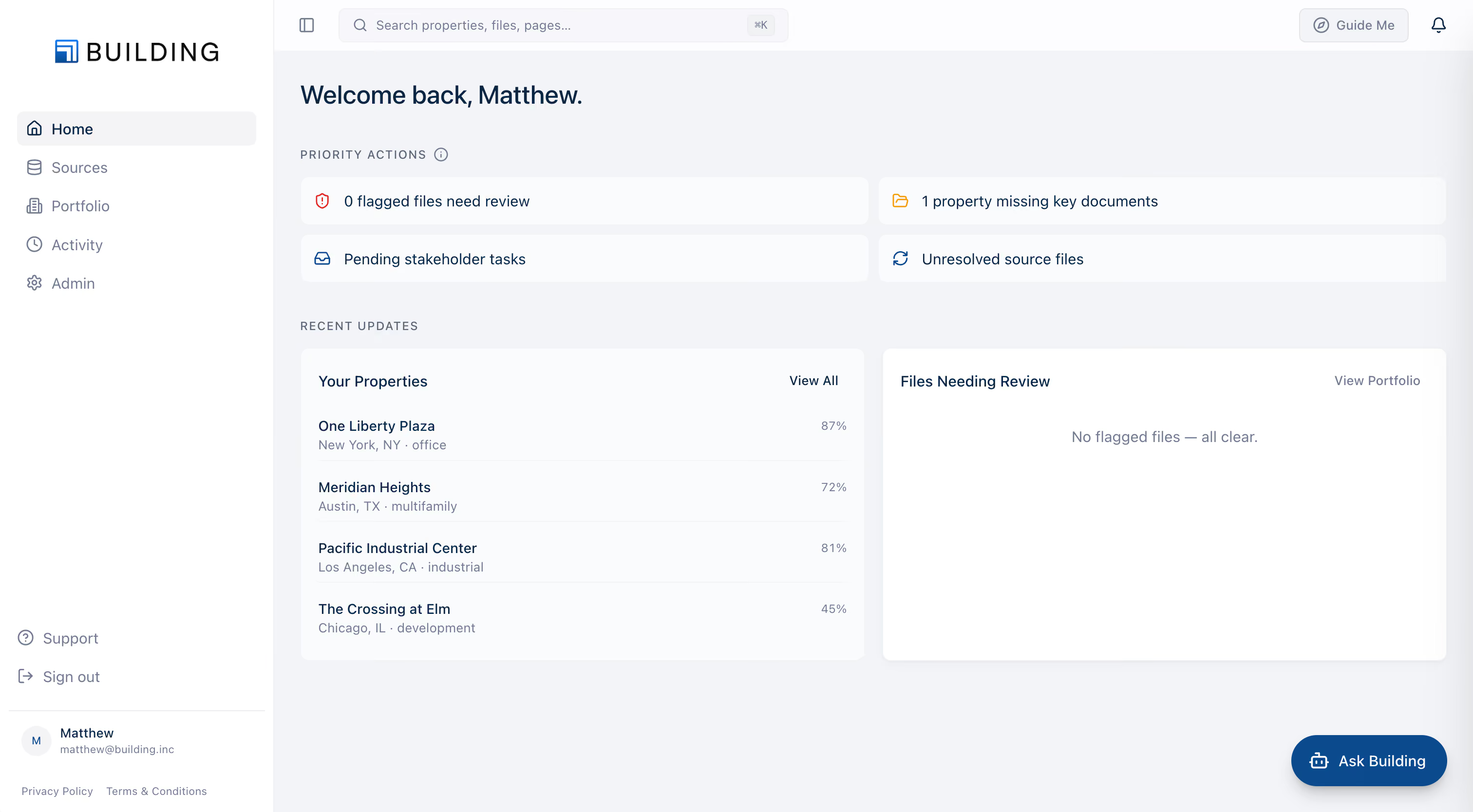
Building helps real estate teams automate manual workflows, monitor asset and portfolio data, and keep properties ready for financing, compliance, reporting, and transactions.

Automate workflows

Reduce repetitive work across documents, reviews, reporting, and recurring asset tasks.

Monitor portfolio activity

Keep a clearer view of property information, changes, and issues across assets, stakeholders, and stages.

Make better decisions

Help teams act on better information, identify problems sooner, and make more informed calls across the portfolio.

Maintain readiness

Keep assets better prepared for diligence, financing, compliance, audits, and reporting.

Powering every stage of real estate finance

Accelerate diligence with structured, source-linked property information
Organize documents and data around a reusable Asset Record
Identify missing, outdated, or conflicting information before it delays review
Give reviewers controlled access to the evidence behind critical information
Underwriting to monitoring with continuously maintained records
Prepare lender-ready information without rebuilding the property file
Connect financial inputs to source documents and responsible parties
Monitor material asset changes throughout the life of the loan
Maintain continuous visibility across assets, portfolios, and stakeholders
Track completeness, recency, and material changes across the portfolio
Coordinate information requests, reviews, and responsibilities
Keep decision-makers aligned around current property information
Make valuation and reporting more current, transparent, and defensible
Assemble operating, financial, and property data for analysis
Preserve lineage from source evidence to valuation inputs
Deliver consistent information to internal teams, appraisers, and investors
Connect real estate assets to the systems and markets that finance them
Deliver permissioned property information to marketplaces and platforms
Support tokenization and digital asset workflows with standardized asset data
Keep market activity connected to current underlying property information

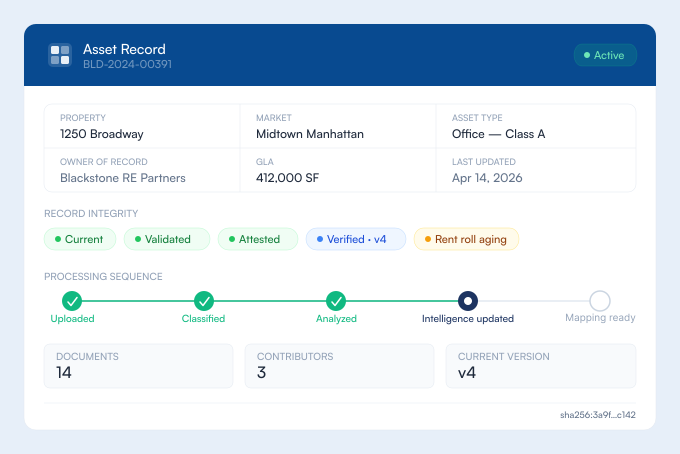
Asset Record

A persistent record for each property. Building keeps documents, data, and key asset information connected over time so teams are not rebuilding the same record for every financing, diligence process, audit, or transaction.

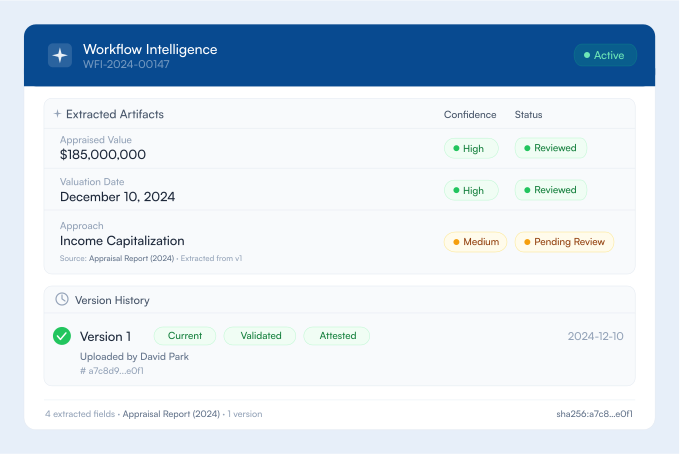
Workflow Intelligence

AI helps reduce manual work across the asset lifecycle. Building can classify information, surface what changed, support reviews, and make recurring workflows faster and easier to manage.

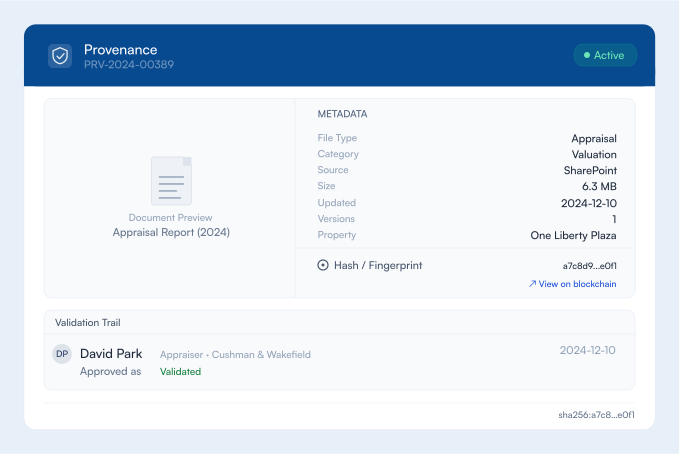
Provenance

Building adds a verifiable history to property information. Provenance, integrity, and stakeholder actions are preserved over time so teams can work from records that are more traceable, accountable, and reliable.

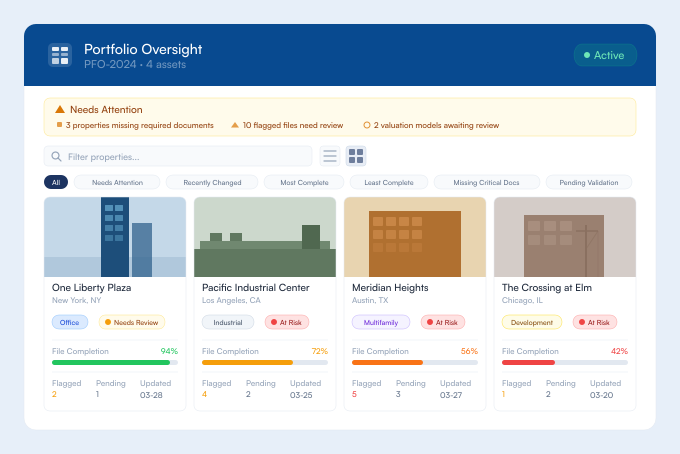
Portfolio Oversight

See what is happening across assets in one place. Building helps teams monitor readiness, activity, missing information, and emerging issues across the portfolio instead of managing each property in isolation.

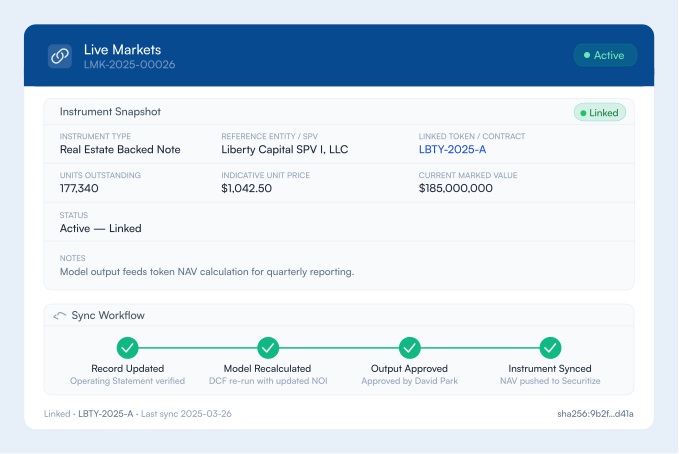
Live Markets

When the record changes, the model updates. When the model is approved, the instrument syncs. Building connects verified asset data all the way to digital instruments, ownership transfers, and downstream market participants — with provenance included at every step.

Join the future of real estate.

Sign up for Building’s quarterly newsletter for insights, case studies, and partnerships shaping real estate.

You are subscribed.

The next quarterly release will be delivered right to your inbox. Thanks for joining us!

Oops! Something went wrong while submitting the form.

The infrastructure real estate finance needs

Real estate cannot move at the speed of modern finance while trust is rebuilt from scratch at every stage. The market needs infrastructure that allows reliable property information to persist across organizations, systems, and financial events.
01

Real estate finance runs on trust

Every financing, valuation, and transaction depends on property information, yet market participants repeatedly spend months reconstructing and reconciling the same asset.

02

Trust must cross organizational boundaries

Owners, lenders, investors, advisors, and marketplaces operate through different systems and retain different responsibilities. No single participant’s application can become the market’s shared foundation.

03

Digital markets require reliable foundations

Continuous oversight, AI-managed portfolios, faster capital formation, and tokenized markets cannot scale without standardized, current, and verifiable property information.

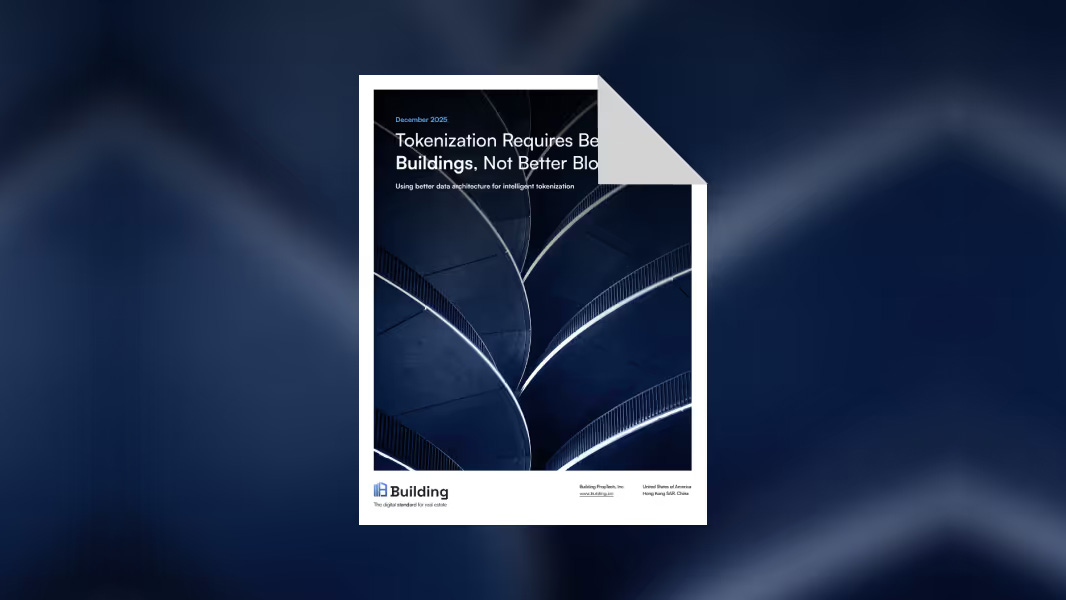
Top publications by Building

Top media with Building

Our customers

Real Estate Developers

Keep project and asset information structured. Stay ready beyond handover.

Learn more
ArrowArrow
Asset Managers
Asset Managers

Maintain trusted information across the portfolio. Support key financial workflows.

Learn more
ArrowArrow
Lenders
Lenders

Review clearer asset information. Underwrite with greater confidence.

Learn more
ArrowArrow
Appraisers
Appraisers

Access more current property records. Work with fewer gaps.

Learn more
ArrowArrow

Start with readiness, not issuance

Building helps owners and asset managers prepare real estate for digital markets by improving the workflows, records, and trust required before tokenization can scale.

Trusted Records

Keep property information current and usable.

AI Workflows

Automate review, readiness, and coordination work.

Verification

Support higher-confidence financing and compliance.

Digital Markets

Prepare assets for tokenization and capital markets.

Unlock capital markets

We prepare property data for compliance and tokenization, helping assets meet the requirements of modern capital markets.

Use cases

Financing

Prepare trusted property information for lenders, refinancing, and other capital events.

Compliance

Maintain current, reviewable records for reporting, audits, and ongoing compliance work.

Transactions

Reduce repeated document collection and help counterparties review assets with greater confidence.

Operations

Keep leases, warranties, maintenance history, and asset records easier to manage over time.

Tokenization

Prepare assets for digital markets with stronger records, better workflows, and more reliable data.

AI Agents

The verified data and trust layer for AI agents to produce outputs institutions can rely on.

Frequently asked questions

What is Building?
Building prepares real estate for digital markets by helping owners, developers, and asset managers maintain trusted, finance-ready property information for valuation, compliance, financing, diligence, and transactions. It is information infrastructure for real estate, not just file storage or one-time deal packaging.
What does “finance-ready” mean?
Finance-ready means property information is complete enough, structured enough, and reviewable enough to support workflows like valuation, compliance, financing, diligence, and transactions with less rework. It does not mean every process is fully automated. It means the underlying record is better prepared for the parties who need to rely on it.
What does Building actually do with documents and data?
Building turns fragmented documents and data into more structured, usable asset information. It is designed to preserve context, continuity, provenance, and verification status so records can be relied on across workflows over time, rather than remaining disconnected files in folders.
Is Building a tokenization platform?
No. Building is not primarily a tokenization platform. Tokenization platforms handle issuance and transaction rails. Building focuses on the underlying asset information those systems depend on, helping prepare assets for tokenization-related workflows with stronger records, better structure, and greater verifiability.  
Is my data stored on-chain?
Building’s approved framing is that underlying data may remain at rest under existing controls, while verification status, provenance, and record utility can travel independently. The materials explicitly distinguish data custody from record utility and caution against describing Building as storing files on the blockchain.  
Who is Building designed for?
Building is designed for real estate owners, developers, and asset managers who need property information to stay structured, current, and reusable across the lifecycle of an asset. That includes the workflows around financing, compliance, operations, diligence, and transactions.
How is Building different from a data room?
A data room helps parties access and share files. Building is designed to make asset information more trusted, structured, and reusable over time. The goal is not just document access, but a persistent record that can support repeated workflows without being rebuilt from scratch each time.
Can Building be used on existing properties?
Yes. Building is relevant wherever important property information needs to remain trusted, organized, and reusable over time. That includes existing assets, assets in operation, refinancing situations, sale preparation, and properties with fragmented historical records that need stronger continuity.
How does tokenization fit in?
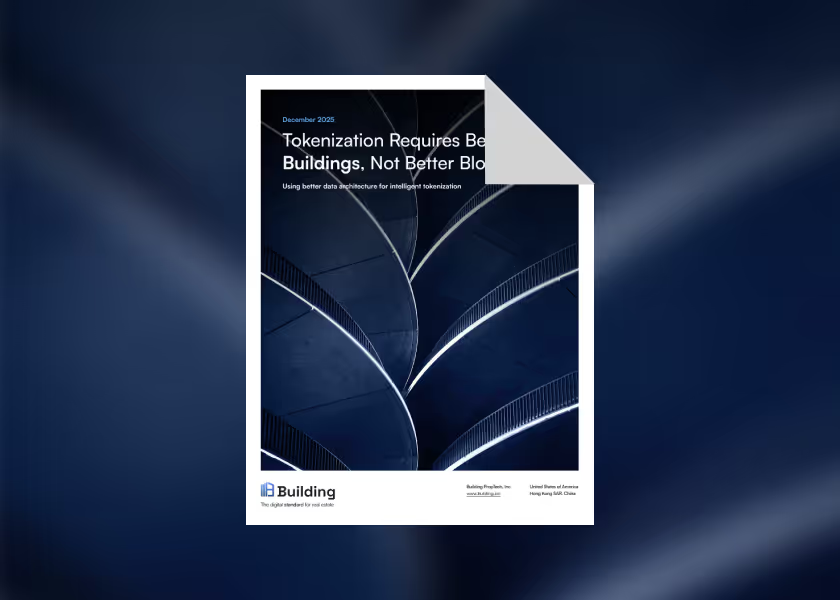
Tokenization is one downstream application. Building’s role is to help prepare the asset information required before tokenization can work well at institutional scale. The whitepaper is clear that tokenization rails and information infrastructure are complementary, not substitutes.
Why does this matter across the full property lifecycle?
Because asset information is usually rebuilt at each financing, transaction, audit, or review event instead of maintained continuously. Building is designed to preserve continuity across stages so information compounds over time and remains more useful for later workflows.

Still have questions?

Let's schedule a call at your convenience.

The numbers behind finance-ready assets

4x

faster due diligence. Structured, continuously maintained asset records eliminate reconstruction before transactions.

30%

shorter financing cycles. Verified documentation reduces lender review friction and compliance delays.

40%

less time spent managing documents. Teams operate from one governed record instead of fragmented drives and inboxes.